

[Oct 07, 2025] CCRN-Adult certification guide Q&A from Training Expert TestPDF
CCRN-Adult Certification Overview Latest CCRN-Adult PDF Dumps
AACN CCRN-Adult Exam Syllabus Topics:
| Topic | Details |
|---|---|
| Topic 2 |
|
| Topic 3 |
|
| Topic 4 |
|
| Topic 5 |
|
NEW QUESTION # 188
The critical care nurse is caring for a kidney dialysis patient who has missed his last two appointments at the dialysis center. His ABG values are reported as follows:
* pH: 7.32
* PaCO2: 32 mmHg
* HCO3: 18 mEq/L
Interpret the patient's blood gas results.
- A. Acute (uncompensated) respiratory acidosis
- B. Normal ABG
- C. Partially compensated respiratory acidosis
- D. Partially compensated metabolic acidosis
Answer: D
Explanation:
Normal pH is 7.35-7.45. In this scenario, the pH is 7.32; therefore, we have acidosis. PaCO2 is low at 32 mmHg (normal 35-45). Normally, the pH and PaCO2 move in opposite directions, but not in this scenario. Because the pH and PaCO2 are moving in the same direction here, it indicates that the acid- base disorder is primarily metabolic. In this case, the lungs, acting as the primary acid-base buffer, are now attempting to compensate by "blowing off excessive C02", and therefore increasing the pH.
Bicarbonate is low at 18 mEq/L (normal 22-26). Normally, the pH and the HCO3 move in the same direction; since the pH and the HCO3 are both falling, we can confirm that the primary problem is metabolic.
Because there is evidence of compensation (pH and PaCO2 moving in the same direction) and because the pH remains below the normal range, the interpretation of this ABG result is partially compensated metabolic acidosis.
NEW QUESTION # 189
Which of the following electrolyte abnormalities should the nurse anticipate in a patient with Diabetic Ketoacidosis (DKA)?
- A. Hypoglycemia
- B. Hyperchloremia
- C. Hypercalcemia
- D. Hypophosphatemia
Answer: D
Explanation:
Urinary losses of water, sodium, magnesium, calcium, and phosphorus cause an increase in serum osmolality and decreased electrolyte levels. Thus, hypophosphatemia may occur in DKA if diuresis and acidosis completely deplete phosphate levels.
Hyperglycemia is present in DKA (not hypoglycemia), which causes the osmotic diuresis discussed above and hypotonic losses, leading to fluid volume deficits and electrolyte losses.
NEW QUESTION # 190
The most appropriate therapy for carboxyhemoglobinemia is
- A. hyperventilation.
- B. aerosolized beta-agonists.
- C. 100% O2 administration.
- D. inhaled corticosteroids.
Answer: C
Explanation:
The most appropriate therapy for carboxyhemoglobinemia, which is carbon monoxide poisoning, is the administration of 100% oxygen. This treatment helps to displace carbon monoxide from hemoglobin, allowing oxygen to bind to hemoglobin and be transported to tissues more effectively. High-flow oxygen can significantly reduce the half-life of carboxyhemoglobin, facilitating faster recovery.References: = CCRN Exam Handbook, page 30
NEW QUESTION # 191
Which of the following is a goal of intra-aortic balloon pump therapy?
- A. Increase systolic blood pressure
- B. Increase end-diastolic blood pressure
- C. Decrease MAP
- D. Maximize aortic diastolic augmentation pressure
Answer: D
Explanation:
The IABP (Intra-Aortic Balloon Pump) provides cardiac assistance by improving myocardial oxygen supply and reducing cardiac workload. The IAPB works on the principle of counterpulsation. Gas (helium or CO2) moves back and forth from the IABP console to the IABP catheter, causing the balloon to inflate (during ventricular diastole, increasing intra-aortic pressure and blood flow to the coronary arteries) and deflate (just prior to ventricular systole, decreasing intra-aortic pressure). This counterpulsation increases the Mean Arterial Pressure (MAP), improves coronary artery blood flow and perfusion during diastole, and decreases systolic blood pressure and end-diastolic blood pressure.
NEW QUESTION # 192
Analyze and interpret the following ABG results:
* pH: 7.30
* PaCO2: 68 mmHg
* HCO3: 28 mEq/L
- A. Acute (uncompensated) respiratory acidosis
- B. Partially compensated metabolic acidosis
- C. Partially compensated respiratory acidosis
- D. Acute (uncompensated) metabolic alkalosis
Answer: C
Explanation:
Normal pH ranges from 7.35-7.45. Since this patient's pH is below 7.45, the patient is experiencing acidosis. Normal CO2 (carbon dioxide) levels range from 35-45 mmHg, and normal HCO3 (bicarbonate) levels range from 22-26 mEq/L. CO2 is the respiratory component and HCO3 is the metabolic component. The component that matches the pH is the system controlling the ABG (Arterial Blood Gases).
In this scenario, the pH and CO2 levels are both acidotic, so the primary mechanism is a respiratory acidosis. Partial compensation is occurring because the CO2 and HCO3 are rising together, but the pH remains abnormal; the metabolic alkalosis is compensation for the CO2, but the pH is still not within normal limits, so it is only partially effective.
NEW QUESTION # 193
Which type of generalized seizure is characterized by rhythmic muscle jerking?
- A. Absence
- B. Tonic
- C. Atonic
- D. Clonic
Answer: D
Explanation:
Generalized seizures are characterized by abnormal electrical discharge that rapidly affects both hemispheres. There are several types of generalized seizures:
* Absence: Sudden lapse of consciousness and activity that lasts 3 to 30 seconds; commonly described as a staring spell
* Myoclonic: Sudden, brief muscle jerking of one or more muscle groups. Commonly associated with metabolic, degenerative, and hypoxic causes
* Atonic (also called drop attacks): Sudden loss of muscle tone
* Clonic: Rhythmic muscle jerking
* Tonic: Sustained muscle contraction
* Tonic-clonic: Muscle activity varies between sustained contraction and jerking
NEW QUESTION # 194
All the following are initial strategies that nurses can take to prevent delirium and decrease its effects on a critically ill patient, EXCEPT:
- A. Medicate when necessary to keep the patient safe
- B. Promote normal sleep-wake cycles
- C. Educate family members to provide frequent reorientation
- D. Ambulate as soon as possible
Answer: A
Explanation:
Medications can sometimes be useful in the management of delirium, and may be necessary to keep the patient safe. However, many medications alter neurologic assessment, delay recovery, or even worsen symptoms. Environmental strategies, such as early mobility, promoting normal sleep-wake cycles, and frequent reorientation, may be very effective. These strategies should always be implemented first.
If medications are required, they are combined with environmental strategies and used at the lowest dose possible for the shortest time possible.
NEW QUESTION # 195
In the treatment of acute coronary syndrome (ACS), which of the following pharmacologic therapies works by increasing ventricular filling time?
- A. Angiotensin-converting enzyme (ACE) inhibitors
- B. Aspirin
- C. Nitrates
- D. Beta-blockers
Answer: D
Explanation:
Regardless of whether a patient presents with unstable angina or acute MI, restoration and maintenance of coronary blood flow is important to improve patient outcomes. Interventions to optimize blood flow to the myocardium include pharmacologic measures, mechanical measures, and/or coronary artery bypass grafting (CABG).
Beta-blockers work by decreasing heart rate, thus increasing ventricular filling time and decreasing myocardial oxygen consumption (MVO2).
Antiplatelet agents, such as aspirin, are used in the medical management of ACS to decrease activity of the coagulation system and prevent platelet aggregation. In ACS, the timely administration of aspirin inhibits both platelet aggregation and the formation of thrombi.
Nitrates are indicated in ACS to reduce preload, and ACE inhibitors are utilized to reduce afterload (if ejection fraction is at or below 40%).
NEW QUESTION # 196
Fear plays an important role in the critically ill patient's ability to cope. Which of the following is the LEAST common object of fear in this setting?
- A. Lack of support
- B. Procedures/treatments
- C. Pain
- D. The dying process
Answer: A
Explanation:
Fear has an identifiable source and plays an important role in the ability of the patient to cope.
Treatments, procedures, suffering and pain, and separation are common objects of fear for the patient who is critically ill. The dying process also elicits specific fears, such as loneliness, loss of body and/or self-control, fear of the unknown, loss of identity, and loss of loved ones.
The family, as well as the patient, experiences the grieving process, which includes the phases of denial, shock, anger, bargaining, depression, and acceptance.
NEW QUESTION # 197
When caring for a patient with septic shock secondary to osteomyelitis, which of the following laboratory tests will best monitor response to therapy?
- A. blood cultures
- B. complete blood count
- C. basic metabolic panel
- D. erythrocyte sedimentation rate
Answer: A
Explanation:
Blood cultures are the most definitive method to diagnose sepsis and monitor the response to therapy2. They can identify the causative organism and help guide antibiotic therapy2. In the case of osteomyelitis leading to septic shock, blood cultures can help confirm the presence of an ongoing systemic infection1. Other tests like the basic metabolic panel, complete blood count, and erythrocyte sedimentation rate can provide supportive information, but they are not as specific or definitive for monitoring response to therapy in septic shock secondary to osteomyelitis123.
NEW QUESTION # 198
Family members have been complaining about limited visiting hours. To facilitate a potential change in practice, a nurse should first
- A. consult with medical staff to change visiting hours.
- B. draft a new policy regarding visitation practices for the unit.
- C. begin a literature search on family visitation practices.
- D. schedule an interdisciplinary team meeting to discuss visiting hours.
Answer: C
Explanation:
The initial step in facilitating a change in practice regarding visiting hours should involve a literature search on family visitation practices. This allows the nurse to gather evidence-based information that can support any proposed changes. After gathering sufficient evidence, the nurse can then schedule an interdisciplinary team meeting to discuss the findings, consult with medical staff, and draft a new policy if necessary. References:
CCRN Exam Handbook, AACN, page 35, section on Professional Caring and Ethical Practice.
NEW QUESTION # 199
A critical care nurse notices that delays in lab result reporting are leading to delayed patient care. The nurse brings this to their manager's attention. However, the manager tells the nurse that it isn't that big a deal and not to worry about it. What is the BEST step for the nurse to take next?
- A. Follow the manager's direction and accept the lab's current reporting processes
- B. Bring the issue to the attention of the quality improvement nurse
- C. Independently communicate with the lab to attempt to expedite their processes
- D. Report the manager to the hospital administration
Answer: B
Explanation:
If the nurse is attempting to improve a deficiency in a process that is affecting patient care and their manager is not willing to address the issue, then the nurse should escalate the issue by bringing it to the attention of someone higher up the chain of command. Bringing the issue to the attention of the quality improvement nurse is a way of doing this. Reporting the manager to hospital administration is a punitive measure, not a means of attempting to improve the process. Following the manager's direction, and accepting the lab's current reporting processes is not fulfilling the nurse's responsibility as a patient advocate. Independently communicating with the lab to attempt to expedite their processes is not optimal when compared to taking action through the hospital's existing quality assurance department.
NEW QUESTION # 200
A flattened diaphragm suggests which of the following conditions?
- A. Pneumonia
- B. Acute bronchitis
- C. Atelectasis
- D. Chronic Obstructive Pulmonary Disease (COPD)
Answer: D
Explanation:
A flattened diaphragm suggests COPD, a chronic inflammatory lung disease that causes obstructed airflow from the lungs. An elevated diaphragm may indicate pneumonia, pleurisy, acute bronchitis, or atelectasis.
NEW QUESTION # 201
ECG changes in the patient experiencing hyperkalemia may include all of the following EXCEPT:
- A. widened QRS complex
- B. tall, tented T waves
- C. bradycardia
- D. inverted T waves
Answer: D
Explanation:
Because potassium impacts normal neuromuscular and cardiac function, these systems are carefully evaluated when hyperkalemia is suspected. It is important to note, however, that a patient may be experiencing hyperkalemia and may have no ECG or rhythm changes. The earliest change often noted in the patient's ECG is a tall, peaked T wave. As the patient's hyperkalemia progresses, the QRS complex widens, and the patient experiences bradycardia.
In addition, QT shortening, ventricular conduction slowing, flaccid paralysis, nausea, confusion, diarrhea, cramping, and decreased deep tendon reflexes may be seen.
Inverted T waves are not a change seen on a hyperkalemic patient's ECG.
NEW QUESTION # 202
The first priority in management of an acute GI hemorrhage is
- A. monitoring of serial Hgb and Hct.
- B. Sengstaken-Blakemore tube insertion.
- C. pain relief.
- D. fluid resuscitation.
Answer: D
Explanation:
The first priority in the management of an acute gastrointestinal (GI) hemorrhage is fluid resuscitation. This is critical to maintaining hemodynamic stability and ensuring adequate perfusion of vital organs. Monitoring of serial hemoglobin and hematocrit (Hgb and Hct) levels, while important for ongoing assessment, is secondary to the immediate need to stabilize the patient's circulatory status. Pain relief and insertion of a Sengstaken-Blakemore tube may be part of the overall management plan but are not the first priority.
References: CCRN Exam Handbook, AACN, page 27, section on GI emergencies.
NEW QUESTION # 203
Diagnostic laboratory values indicative of heart failure include:
- A. elevated creatinine, decreased albumin, decreased serum sodium, decreased serum potassium
- B. decreased creatinine, decreased albumin, elevated serum sodium, elevated serum potassium
- C. decreased creatinine, elevated albumin, elevated serum sodium, decreased serum potassium
- D. elevated creatinine, elevated albumin, decreased serum sodium, decreased serum potassium
Answer: A
Explanation:
Due to the numerous conditions, both cardiac and noncardiac, that present similarly to heart failure in their clinical manifestations, a thorough initial assessment should be performed to rule out many possible diagnoses.
Lab results consistent with a diagnosis of heart failure include the following:
* Decreased red cell count (anemia)
* Elevated creatinine
* Decreased albumin
* Decreased serum sodium
* Decreased serum potassium
In addition, a chest x-ray reveals cardiomegaly and a cardiothoracic ratio > 0.5. Echocardiography reveals dilated left or right ventricle, or right atria; hypertrophied left ventricle, AV valve incompetence, diffuse or segmental hypocontractility; atrial thrombus; LVEF < 40%.
NEW QUESTION # 204
A patient admitted with an Intracranial Hemorrhage (ICH) has worsening neurological symptoms. The patient's Glasgow Coma Scale score has decreased from 13 to 8 within 12 hours. Which management option is likely to be MOST beneficial for this patient?
- A. Initiating hyperventilation therapy
- B. Scheduling for surgical evacuation
- C. Transfusing blood products
- D. Administering mannitol
Answer: B
Explanation:
Surgical evacuation can be indicated in cases of severe ICH (Intracranial Hemorrhage) or with worsening symptoms, like a decreasing Glasgow Coma Scale score. Mannitol is often used in the treatment of increased intracranial pressure, but if the patient's condition is rapidly deteriorating, more immediate and definitive intervention will be more beneficial. Transfusing blood products is not necessary or likely to be beneficial, as the increasing intracranial pressure is the primary causative factor, not anemia or hypovolemia. Hyperventilation therapy can be used to acutely lower ICP, but its effects are short-lived and it does not treat the underlying cause of the ICH.
NEW QUESTION # 205
Which valvular disorder is MOST commonly associated with aortic dissection?
- A. Aortic insufficiency
- B. Mitral stenosis
- C. Aortic stenosis
- D. Mitral insufficiency
Answer: A
Explanation:
Aortic insufficiency (regurgitation) is most commonly associated with aortic dissection and endocarditis.
If the aortic valve does not close properly, blood regurgitates, or flows backward, from the aorta into the left ventricle during diastole. It causes decreased coronary artery blood flow and brief compensatory tachycardia. This causes significant increases in the volumes and pressures of the left ventricle, contributing to the gradual development of left ventricular dilation and hypertrophy. Hypertension also places significant pressure on the aortic valve, often causing aortic insufficiency.
NEW QUESTION # 206
Which of the following is the LEAST effective method of preventing atelectasis in a patient who has just undergone a thoracic surgery?
- A. Frequent repositioning
- B. Incentive spirometry
- C. Eliminating pleuritic pain
- D. Promoting early ambulation
Answer: C
Explanation:
Prevention of atelectasis primarily focuses on promoting mobility through early ambulation and frequent repositioning. Incentive spirometry is also a very helpful tool for promoting lung expansion.
While eliminating pleuritic pain would promote better ventilation, pleuritic pain can only be controlled, not eliminated.
NEW QUESTION # 207
A patient with a C5 spinal cord injury calls the nurse every 15 minutes with requests for juice, water, and repositioning. Which of the following is the nurse's best response?
- A. "You need to be repositioned only every 2 hours."
- B. "I will get someone to sit with you."
- C. "I will check on you every 30 minutes."
- D. "You are safe. Nothing will happen to you."
Answer: B
Explanation: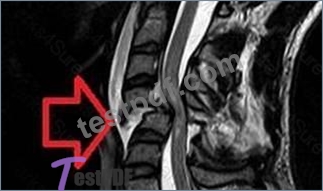
Spinal cord injury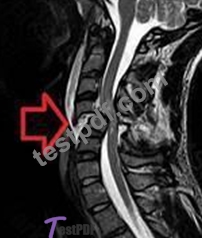
The patient with a C5 spinal cord injury may have anxiety, fear, or depression due to the loss of function and independence. The patient may also have difficulty breathing, swallowing, or regulating body temperature.
The patient may call the nurse frequently to seek reassurance, attention, or comfort. The nurse should respond with empathy and compassion, and provide the patient with emotional support and psychological counseling.
The nurse should also assess the patient's physical needs and provide adequate hydration, nutrition, and skin care. The nurse should not dismiss the patient's requests, ignore the patient's feelings, or limit the patient's contact with the nurse. The nurse should also not give false reassurance or minimize the patient's concerns.
Therefore, the best response is to get someone to sit with the patient, such as a family member, a friend, or a volunteer. This will help the patient feel less isolated, anxious, or depressed, and provide the patient with a sense of security and companionship.
NEW QUESTION # 208
Positive end-expiratory pressure (PEEP) is indicated for hypoxemia, which is secondary to diffuse lung injury. Which of the following PEEP levels is MOST often used to provide "physiologic" PEEP?
- A. 20 cm H2O
- B. 5 cm H2O
- C. 15 cm H2O
- D. 10 cm H2O
Answer: B
Explanation:
PEEP is used therapeutically during mechanical ventilation (extrinsic PEEP). It can also be a complication of incomplete expiration and air trapping (intrinsic PEEP).
PEEP/CPAP levels of 5 cm Hg or less are often used to provide "physiologic PEEP." The presence of the artificial airway allows intrathoracic pressure to fall to zero, which is below the usual level of intrathoracic pressure at end expiration (2 or 3 cm H2O).
Levels > 5 cm H2O are usually used to recruit collapsed alveoli, resulting in increased ventilation, which results in increased oxygenation. Use of PEEP may, however, increase the risk of barotrauma due to higher mean and peak airway pressures during ventilation, especially when peak pressures are greater than 40 cm H2O. Venous return and cardiac output may also be affected by higher levels of PEEP.
NEW QUESTION # 209
......
The Best AACN CCRN-Adult Study Guides and Dumps of 2025: https://www.testpdf.com/CCRN-Adult-exam-braindumps.html
Top AACN CCRN-Adult Exam Audio Study Guide! Practice Questions Edition: https://drive.google.com/open?id=1Ry2DrO5AXZ9G6NQig-6N7YNkZuTYbc1p
